

The accounting method you choose determines when revenue and expenses appear in your books. Cash basis accounting records transactions only when money changes hands, while accrual accounting records them when you earn revenue or incur an expense, regardless of payment timing. That single difference changes your cash flow visibility, tax calculations, and how lenders or investors read your financial statements.
For many small businesses, cash basis feels natural because it mirrors the bank account. But as your operations grow, accrual often becomes necessary to show true profitability and meet tax authority requirements. This guide walks through both methods, the rules, and the questions to ask before making a decision.
Understanding Cash Basis Accounting
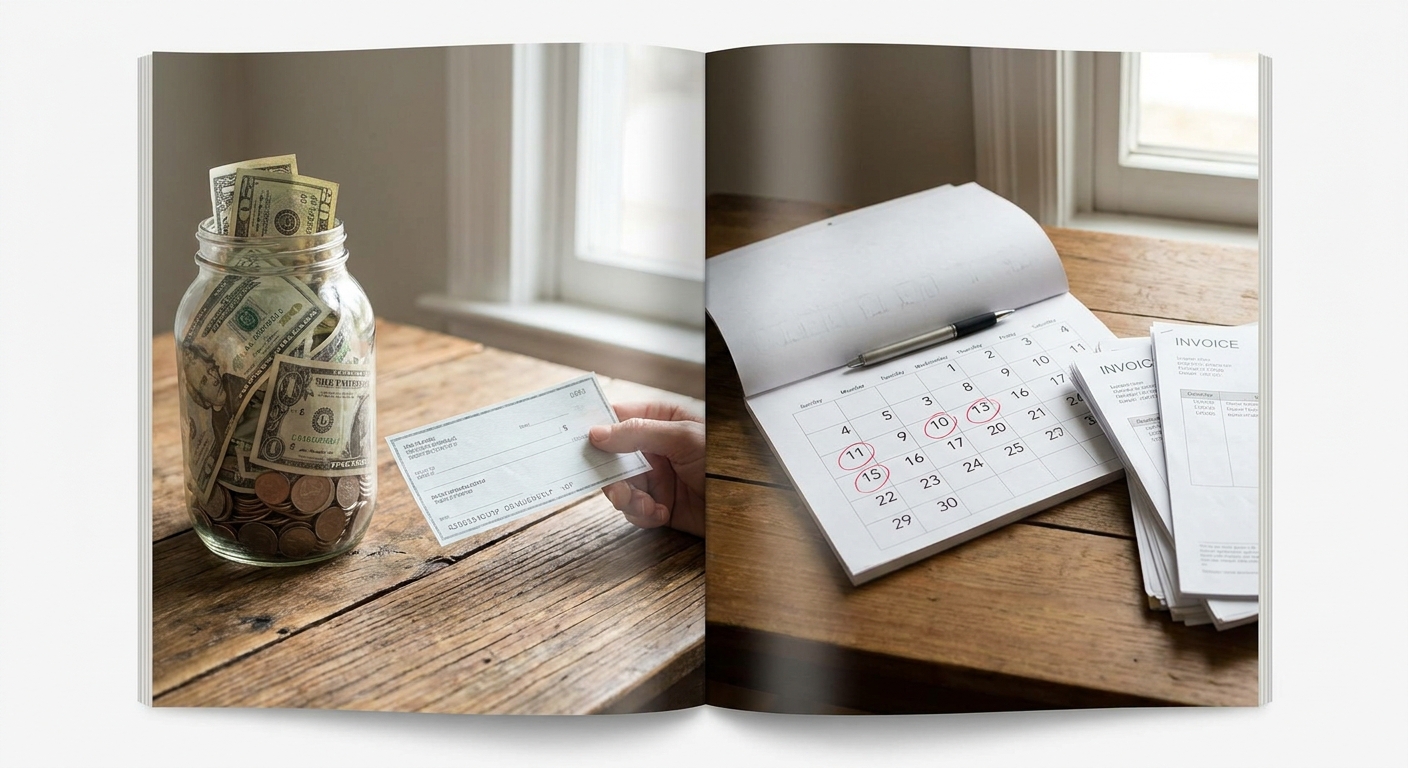
Under cash basis accounting, you record income only when you actually receive payment from a customer. You record an expense only when you pay a bill. That means invoices you have sent but not yet collected do not show as revenue, and bills you have received but not yet paid do not show as expenses. Your books reflect exactly the cash that has moved through your bank account.
This method works well for very small service businesses, sole proprietors, and businesses with simple transactions. Because there are no accounts receivable or accounts payable to track, bookkeeping is straightforward. The trade-off is that your financial statements may not show the full picture of what you owe or what customers owe you.

Understanding Accrual Accounting
Accrual accounting records revenue when you earn it—typically when you deliver a product or service—even if the customer pays later. It records expenses when you incur them, such as when you receive a bill, even if you do not pay until the following month. This method follows the matching principle: expenses are matched to the revenue they help generate in the same period.
Accrual accounting gives a more accurate picture of profitability. For example, if you complete a job in March and invoice the client, you record the revenue in March, not April when the payment arrives. This lets you see which months are truly profitable, not just which months had high cash deposits.
Cash Basis vs. Accrual Accounting: Key Differences
The central difference is timing. Cash basis waits for money to move; accrual records the economic event. That timing difference affects how you track receivables and payables, how complex your bookkeeping becomes, and how your financial statements read.
- Revenue recognition: Cash basis records income when received; accrual records income when earned.
- Expense recognition: Cash basis records expenses when paid; accrual records expenses when incurred.
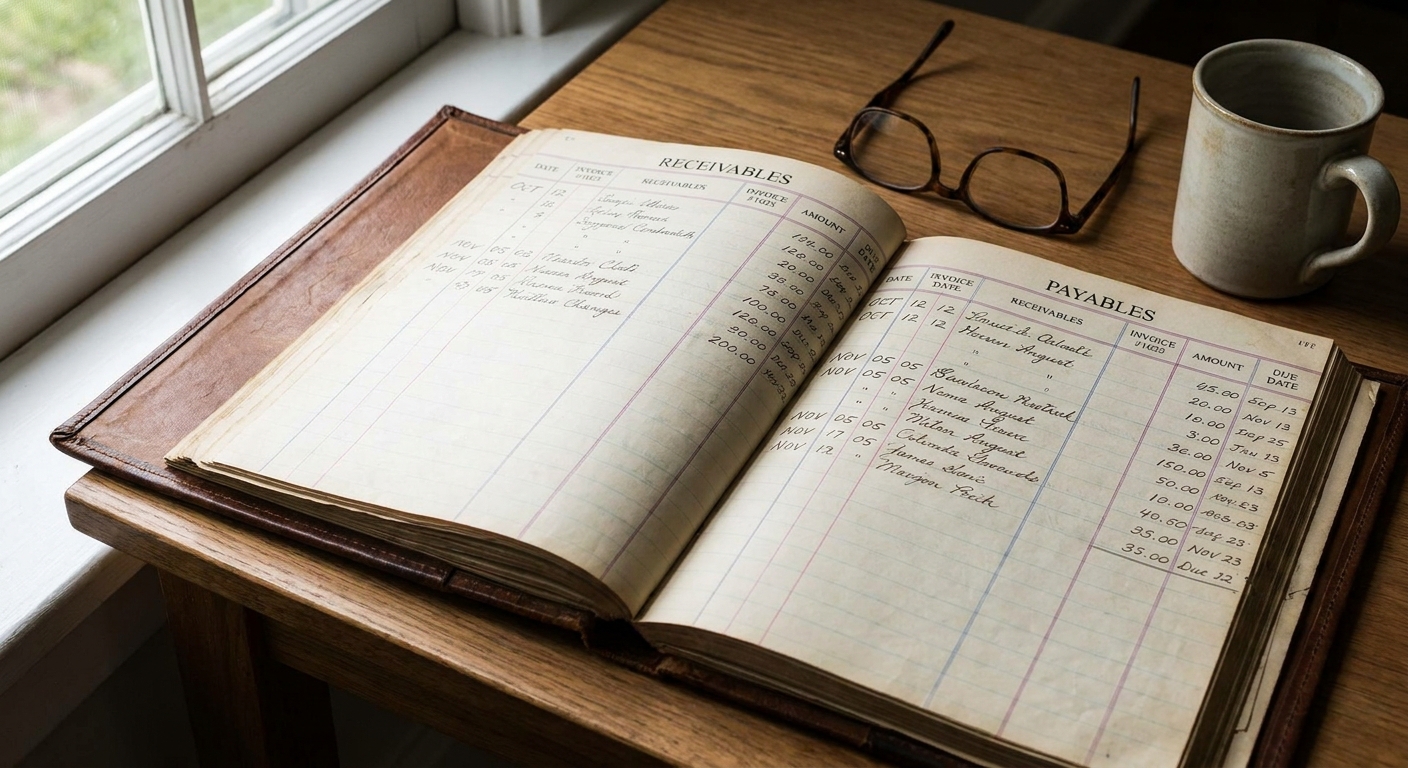
- Accounts receivable and payable: Cash basis does not use these accounts; accrual tracks money owed by customers and to suppliers.
- Complexity: Cash basis is simpler and requires less record-keeping; accrual requires tracking outstanding invoices and bills.
- Financial accuracy: Accrual provides a more complete long-term view of profitability; cash basis can distort results if you have large unpaid invoices or bills.
Pros and Cons of Cash Basis Accounting
The main advantage of cash basis is simplicity. You always know exactly how much cash you have, because your books match your bank balance. This is useful for day-to-day cash flow management, and it reduces the risk of paying income tax on revenue you have not yet received.
However, cash basis can mislead you. A highly profitable month on paper may simply be a month when many customers paid old invoices; a slow month may hide work you completed but have not been paid for. Lenders and investors often prefer accrual financial statements because they show a more complete picture of financial health.
- Advantages: Simple to maintain, clear cash flow visibility, less bookkeeping time, taxes paid only on money actually received.
- Disadvantages: Does not show unpaid invoices or bills, can distort profitability, provides limited insight for long-term planning, may not satisfy lender requirements for financing.
Pros and Cons of Accrual Accounting
Accrual accounting shows true profitability by matching revenue with the period it was earned. This makes it easier to spot trends, plan for growth, and present credible financial statements to banks or investors. It is the standard method required by many lenders and by generally accepted accounting principles.
The downside is complexity. You need to track accounts receivable and accounts payable, and you may owe income tax on revenue you have invoiced but not yet collected. That can create a cash flow pinch if you do not plan carefully.
- Advantages: Accurate profitability, better for budgeting and forecasting, required for most growing businesses, accepted by lenders and investors.
- Disadvantages: More complex bookkeeping, may require professional accounting support, income tax may be due before cash is received.
CRA Rules: What Small Businesses Need to Know
The tax authority sets strict rules on who may use cash basis. Farmers, fishers, and self-employed commission agents can choose either cash or accrual. All other self-employment income must be reported using the accrual method. This means most small businesses—including incorporated service providers, retailers, and builders—must use accrual for tax reporting, even if they keep internal records on a cash basis.
If you start on cash basis and later need to switch to accrual, you must get written permission from the tax authority before filing your return. The rules also affect how you handle inventory, prepaid expenses, and post-dated cheques, so it is important to review your specific situation before choosing.
Hybrid Accounting Methods
Some businesses use a hybrid approach internally: cash basis for day-to-day cash management and accrual basis for financial statements and planning. While this can work for internal purposes, tax reporting must follow the method the tax authority allows. For most businesses, that means filing on accrual. A hybrid system adds complexity, but it can give you the best of both worlds—clear cash visibility plus accurate profitability.
If you use hybrid methods, maintain separate records for tax filing and internal management. We often set up accounting software to generate both cash-basis and accrual-basis reports so owners can see cash on hand and true performance side by side.
How to Choose the Right Method for Your Small Business
The right method depends on your business structure, industry, and growth plans. If you are a sole proprietor with no inventory and very few unpaid invoices, cash basis may be sufficient for internal tracking—but remember that your tax return may still require accrual. If you carry inventory, extend credit to customers, or plan to seek financing, accrual is almost always the better choice.
Ask yourself these questions:
- Do I sell products or hold inventory?
- Do I invoice customers and wait for payment?
- Am I required to file taxes on accrual?
- Will I need a bank loan or investor in the next year?
- Do I want financial reports that show true profitability, not just cash movement?
With over 30 years of experience guiding small businesses through this decision, we have seen that the best method is the one that gives you the information you need to make confident decisions. Choose cash basis only if simplicity is more important than complete financial clarity, and your tax obligations allow it. Otherwise, invest in accrual from the start.
Tax Implications of Your Accounting Method
Your accounting method directly affects when income tax is calculated. Under cash basis, you pay tax only on income you have actually received. Under accrual, you pay tax on income you have earned, even if the customer has not paid yet. For cash-strapped businesses, this can create a timing difference: you may owe tax on invoices before the cash arrives. Careful tax planning is essential.
For GST/HST reporting, the method can also affect when you report and remit tax on sales and purchases. If you use cash basis for GST/HST, you report tax when you receive payment from customers and claim input tax credits when you pay suppliers. If you use accrual, you report and claim based on invoice dates. The tax authority allows certain small businesses to choose the cash method for GST/HST even if they use accrual for income tax, so check your eligibility.
Impact on Financial Reporting and Business Planning
Financial statements built on accrual show accounts receivable and accounts payable, giving you a clear view of what you own and owe. This makes it easier to forecast cash flow, identify slow-paying customers, and avoid surprises. Cash basis statements only show historical cash movement, which can hide pending obligations.
Lenders and investors almost always ask for accrual-basis financial statements. If you plan to apply for a line of credit, a business loan, or outside investment, accrual reporting will be expected. Even if you are not seeking financing today, moving to accrual early helps you build solid financial habits and data history.
Switching Accounting Methods: Process and CRA Requirements
Switching from cash to accrual requires approval from the tax authority. You must request the change in writing before your tax filing deadline, explain why you want to switch, and include a statement showing the adjustments to income and expenses caused by the method change. The first accrual return must reconcile any amounts that were double-counted or missed during the transition.
Switching from accrual to cash is simpler: you can start using cash on your next return and include a statement of adjustments. However, this is only available to businesses that qualify for cash basis in the first place—farmers, fishers, and commission agents. Before making any change, we recommend mapping out the tax impact for the transition year.
Frequently Asked Questions (FAQs)
Can any small business use cash basis for taxes? No. Only farmers, fishers, and self-employed commission agents can use cash basis for income tax. All other self-employment income must use accrual.
Does cash basis give a better picture of cash flow? Yes, because your books match your bank account. But it does not show unpaid invoices or bills, so it may give a false sense of security.
Do I have to use the same method for GST/HST and income tax? Not always. Some businesses can use cash basis for GST/HST and accrual for income tax, depending on eligibility and small supplier rules.
What if I want to switch methods later? You can switch from cash to accrual with written permission from the tax authority. Switching from accrual to cash is only allowed for eligible businesses and requires a statement of adjustments.
Is accrual always more expensive to maintain? It usually requires more bookkeeping time and possibly professional support, but the cost difference is often outweighed by better financial insight and access to financing.
Conclusion: Making Your Choice
Cash basis accounting is simple and shows exactly how much cash you have. Accrual accounting shows how your business is actually performing. For most growing businesses, accrual is the method that supports sound decision-making, tax compliance, and future financing. If you are eligible for cash basis and your needs are simple, it can work—but understand its limits.
Whichever method you choose, review your decision at least once a year as your business evolves. If you need help determining which method fits your situation or transitioning between methods, schedule a free consultation to talk through your options without pressure.